
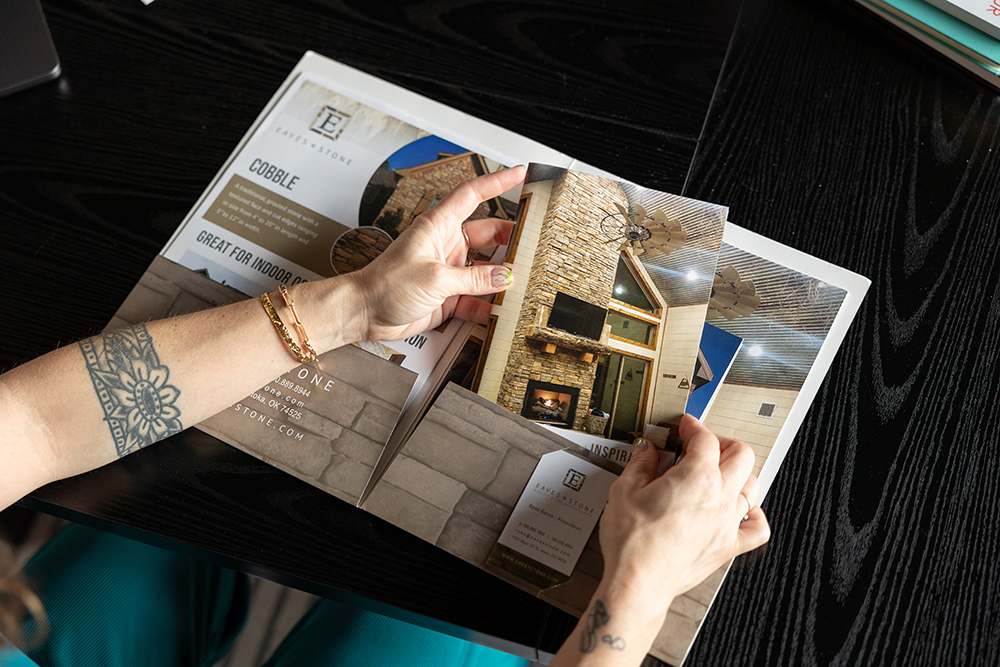
As brand strategists, we’re always exploring the evolving intersection of print and digital. Over the past few years, plenty of articles and podcasts have suggested a new print renaissance. But here’s the truth we have learned after a decade in the industry: print never died, and the smartest brands never sidelined it in the first place.
While digital marketing offers incredible reach, it often lacks the staying power of something you can actually hold.
The global packaging industry currently grows at 3-4% per year, with a projected reach of $31.9 billion by 2030. These numbers represent a growing demand for physical brand experiences.
We call this the “phygital” movement.
What does “phygital” mean? It’s the combination of physical print and digital touchpoints to create a richer brand story. A high-quality package design holds a product while serving as a persistent physical handshake between you and your customer. When you ignore the physical, tactile experience, you leave money and emotional connection on the table.
Tactile Empathy and the Power of Touch
Screens provide you with information, but physical objects provide connection. We call this tactile empathy. When a customer touches a package, feeling its material, weight, or a unique finish, they form an emotional bond that an image on a screen just can’t replicate. Our brains process physical touch differently than visual data on a screen. The weight of a high-quality paper stock or the smooth glide of a matte finish sends a subconscious signal of quality and trust that can only be established with physical touch.
Digital marketing is undeniably important and effective, but digital ads are fleeting, while a physical object occupies a space in a customer’s environment. A well-designed package stays on the kitchen counter, the office desk, or the shelf, serving as an advocate for your brand’s value. Every time your customer sees or touches that item, it reinforces the relationship between you.
Multi-Sensory Experience
Great branding should engage as many senses as possible. Sensory elements like texture, embossing, and deliberate weight elevate a box or a label beyond utility. They turn a routine unboxing into a memorable event that customers actually want to experience.
We view the unboxing experience as a critical part of the marketing funnel. There’s a reason why unboxing videos have become a mainstay of short-form video content. If the first physical interaction with your product feels cheap or thoughtless, you’ve created a hurdle that your digital marketing will have to work twice as hard to overcome.
When we approach package design, we look for ways to surprise and delight the user. Perhaps we hide a message under a package flap, or choose a texture that mirrors the product inside. These details create a multi-sensory experience that begs for a social media post. By making the physical product something unique and interesting enough to share, you bridge the gap between the physical and digital worlds effortlessly.
Integration and Immersion
Successful brands don’t choose between print and digital. They use both to create an immersive loop. We see the best results when brands use physical print to drive digital action. Imagine a box that features a custom QR code leading a personalized thank-you video, or a printed card or booklet that directs users to exclusive online content.
By integrating these worlds, you create a cohesive journey. You use print to establish trust, gravitas, and permanence, while you use digital to provide speed, utility, and direct communication. If you want your brand to stand the test of time, you must respect the power of the physical. Physical touchpoints like package design ensure your brand feels real in an increasingly digital world.
Make Your Brand Tangible
Don’t let your brand get lost in the digital noise. If you want to explore how custom package design can transform your customer experience and build lasting loyalty, reach out to us! Let’s build something your customers can hold onto.